
AvaTrade vs XM compared on licenses, spreads, commissions & platform options—see which broker fits your trading style best in 2026.
AvaTrade vs XM: Regulation, Fees & Platforms Compared

AvaTrade tends to suit traders who prioritize multi-jurisdiction regulation and fixed spreads, while XM tends to appeal to traders who want flexible leverage and a wider range of raw-spread account options. The right choice depends on trading style, cost sensitivity, and platform preference.
AvaTrade holds licenses from multiple regulators across several continents, while XM operates under fewer, but still well-established, financial authorities. This regulatory footprint directly affects fund safety and dispute resolution options for traders in different regions.
AvaTrade charges no commission on standard accounts but applies inactivity and administration fees, while XM offers zero-commission floating spread accounts alongside a separate low-spread commission-based option. These cost structures create meaningful differences for high-frequency traders versus casual investors.
AvaTrade offers MT4, MT5, and its proprietary AvaTradeGO platform, while XM focuses mainly on MT4 and MT5 across desktop, web, and mobile. Platform choice shapes usability for beginners, algorithmic traders, and mobile-first users alike.
Forex Bit breaks down these distinctions further below, starting with a direct verdict on AvaTrade vs XM: Which Broker Is Better for Trading in 2026? before examining regulatory strength and fee transparency in detail.
AvaTrade vs XM: Which Broker Is Better for Trading in 2026?
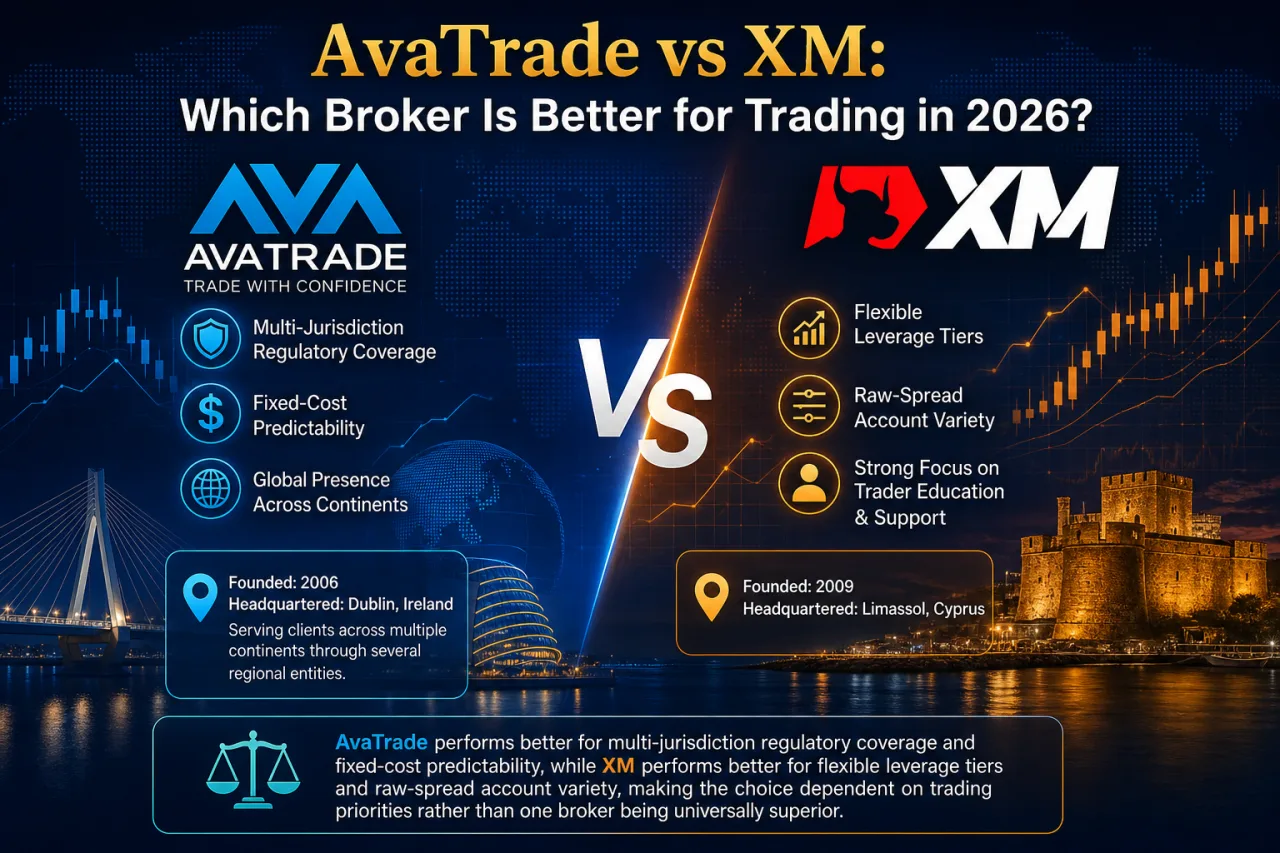
AvaTrade performs better for multi-jurisdiction regulatory coverage and fixed-cost predictability, while XM performs better for flexible leverage tiers and raw-spread account variety, making the choice dependent on trading priorities rather than one broker being universally superior.
AvaTrade was founded in 2006 and is headquartered in Dublin, Ireland, serving clients across multiple continents through several regional entities.
XM was founded in 2009 and is headquartered in Limassol, Cyprus, with a client base spanning numerous countries worldwide.
This comparison examines regulation, fee structures, and trading platforms as the core differentiators between the two brokers, building on the overview already introduced above. The table below summarizes the key distinctions before each area is explored in further detail.
| Criteria | AvaTrade | XM |
|---|---|---|
| Regulatory footprint | Multiple regulators across continents | Fewer, established authorities |
| Fee model | No commission, fixed spreads, inactivity fees | Zero-commission and low-spread commission accounts |
| Platforms | MT4, MT5, AvaTradeGO | MT4, MT5 |
| Best suited for | Fixed-cost, multi-region traders | Flexible leverage, raw-spread traders |
Is AvaTrade or XM More Strictly Regulated?
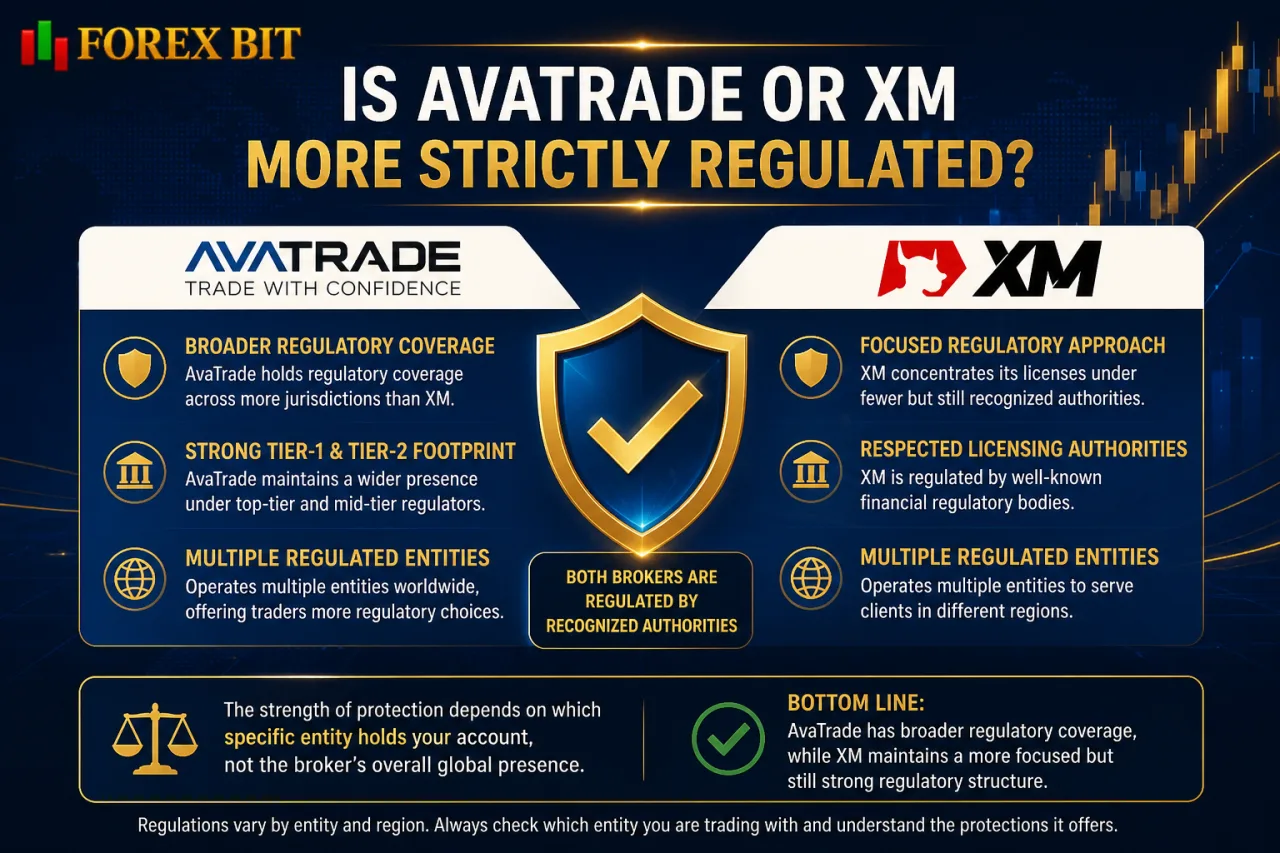
AvaTrade holds regulatory coverage across more jurisdictions than XM, giving it a broader tier-1 and tier-2 licensing footprint, while XM concentrates its licenses under fewer but still recognized authorities.
Both brokers maintain multiple regulated entities. Protection strength depends on which specific entity handles a trader’s account.
- AvaTrade: Operates through several licensed entities spanning multiple regions, covering both tier-1 and tier-2 jurisdictions.
- XM: Operates through fewer licensed entities, concentrated under a smaller set of recognized authorities.
This structure clarifies how each entity affects fund safety and dispute resolution for traders opening an account with either broker.
How Do AvaTrade and XM Protect Client Funds and Ensure Safety?
Both AvaTrade and XM segregate client funds from company operating capital and provide negative balance protection, though their investor compensation coverage differs by regulating entity. This distinction in fund-safety mechanisms matters most when comparing which specific entity handles a trader’s account rather than the broker’s global brand as a whole.
AvaTrade holds client money in segregated bank accounts across its regulated entities and applies negative balance protection to retail clients under its European and other applicable licenses. Clients registered under AvaTrade’s Irish or EU entities gain access to investor compensation schemes that cover eligible claims up to a set limit.
XM likewise segregates client deposits from corporate funds and extends negative balance protection to retail accounts under its regulated entities. XM’s Cyprus-regulated entity participates in an investor compensation fund that reimburses eligible clients.
Regarding regulatory oversight, both brokers operate under multiple licensing jurisdictions, and multi-entity brokers in this industry generally face periodic reviews and compliance checks from their respective regulators as a routine part of maintaining licenses. This general industry pattern should not be read as a specific finding against AvaTrade or XM, and traders looking for a broker’s exact compliance record should verify details directly with the relevant regulatory body’s official register.
AvaTrade vs XM: How Do Their Trading Fees and Spreads Compare?
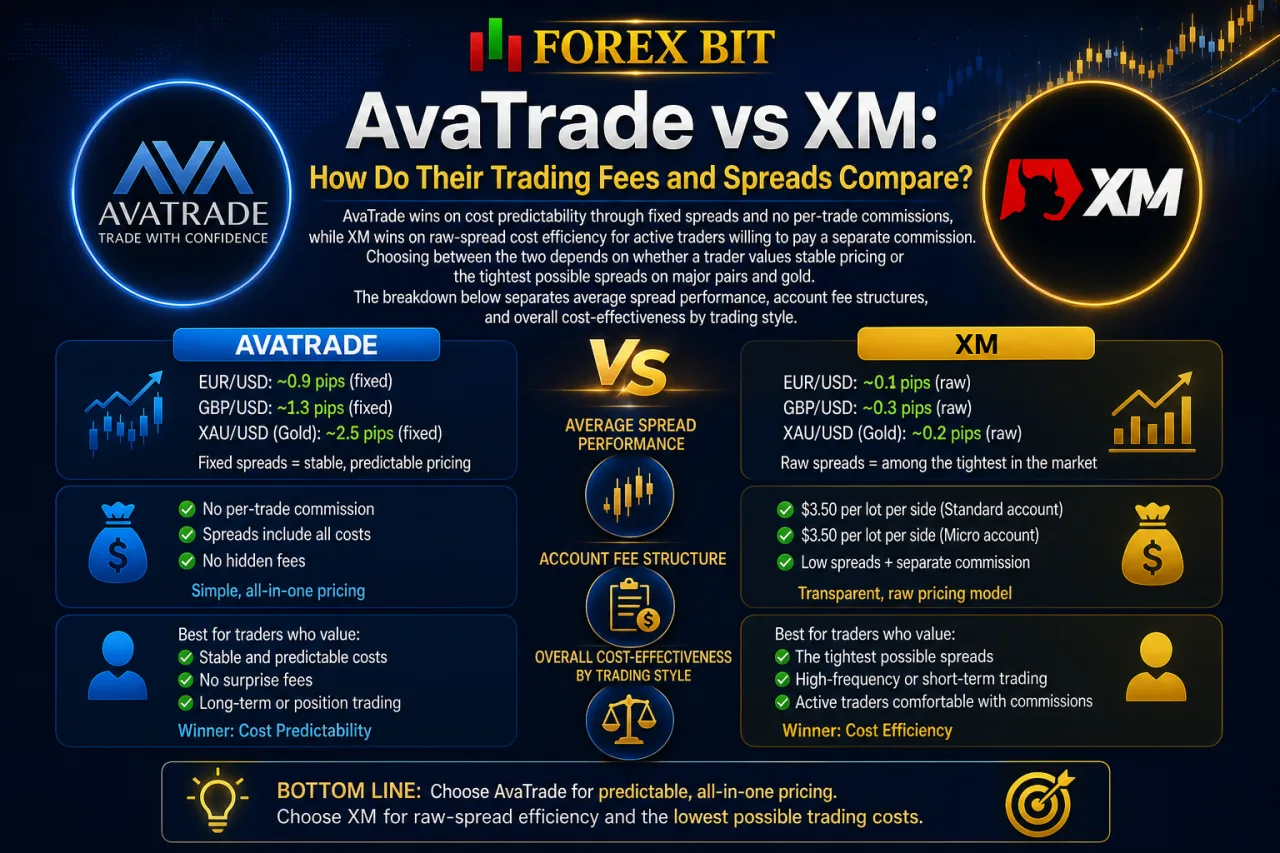
AvaTrade wins on cost predictability through fixed spreads and no per-trade commissions, while XM wins on raw-spread cost efficiency for active traders willing to pay a separate commission. Choosing between the two depends on whether a trader values stable pricing or the tightest possible spreads on major pairs and gold. The breakdown below separates average spread performance, account fee structures, and overall cost-effectiveness by trading style.
What Are the Non-Trading Fees Charged by AvaTrade and XM?
AvaTrade charges an inactivity fee after a period of no trading activity, plus a separate administration fee once inactivity persists, while XM applies its own inactivity charge after a dormancy period but does not levy a comparable additional administration fee.
Both brokers differ further on withdrawal, deposit, and currency conversion charges, along with minimum deposit requirements. AvaTrade does not charge deposit fees but may apply a currency conversion cost when the account currency differs from the payment method used.
XM does not charge deposit fees on most funding methods but may apply a currency conversion cost when the transaction currency does not match the account currency.
AvaTrade requires a minimum deposit that differs by account type and regional entity, while XM sets its own minimum deposit threshold that also varies by account type.
Neither broker discloses identical fee schedules across all regional entities, so the exact figures depend on the specific licensed entity a trader registers under.
Which Broker Offers Better Value for Active and Scalping Traders?
XM offers better raw-spread cost efficiency for scalpers and high-frequency traders through its low-spread commission account, while AvaTrade suits low-frequency active traders who prefer fixed spreads without a separate commission charge. This cost distinction matters directly for scalping and active trading, where per-trade fees accumulate quickly across high volumes.
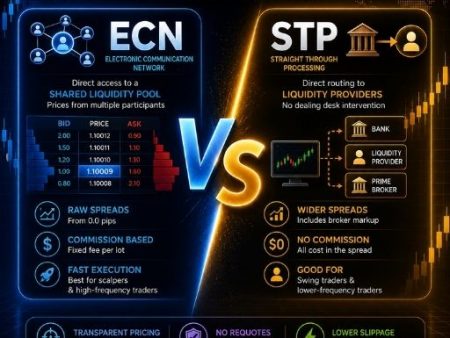
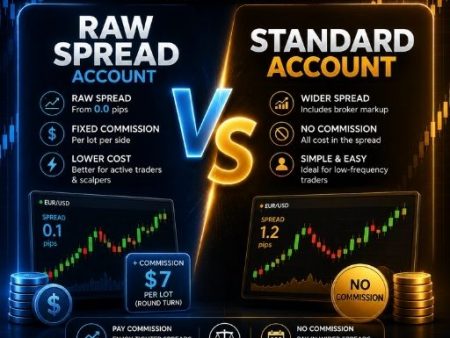
XM’s commission-based account pairs a reduced spread with a fixed per-lot commission, a structure that benefits scalpers executing frequent, short-duration trades since tighter raw pricing lowers the breakeven point on each position. XM’s low-spread account applies a commission per traded lot alongside reduced floating spreads. Traders prioritizing the tightest possible pricing on majors and gold find XM’s commission account more competitive for scalping.
AvaTrade’s fixed-spread model removes commission calculations entirely, which simplifies cost tracking for traders placing fewer, larger trades rather than high-frequency scalping. It does not offer a dedicated raw-spread or ECN-style account comparable to XM’s low-spread tier. AvaTrade remains a more predictable option for active traders who avoid ultra-short-term strategies.
AvaTrade vs XM: Which Broker Provides More Trading Platform Options?
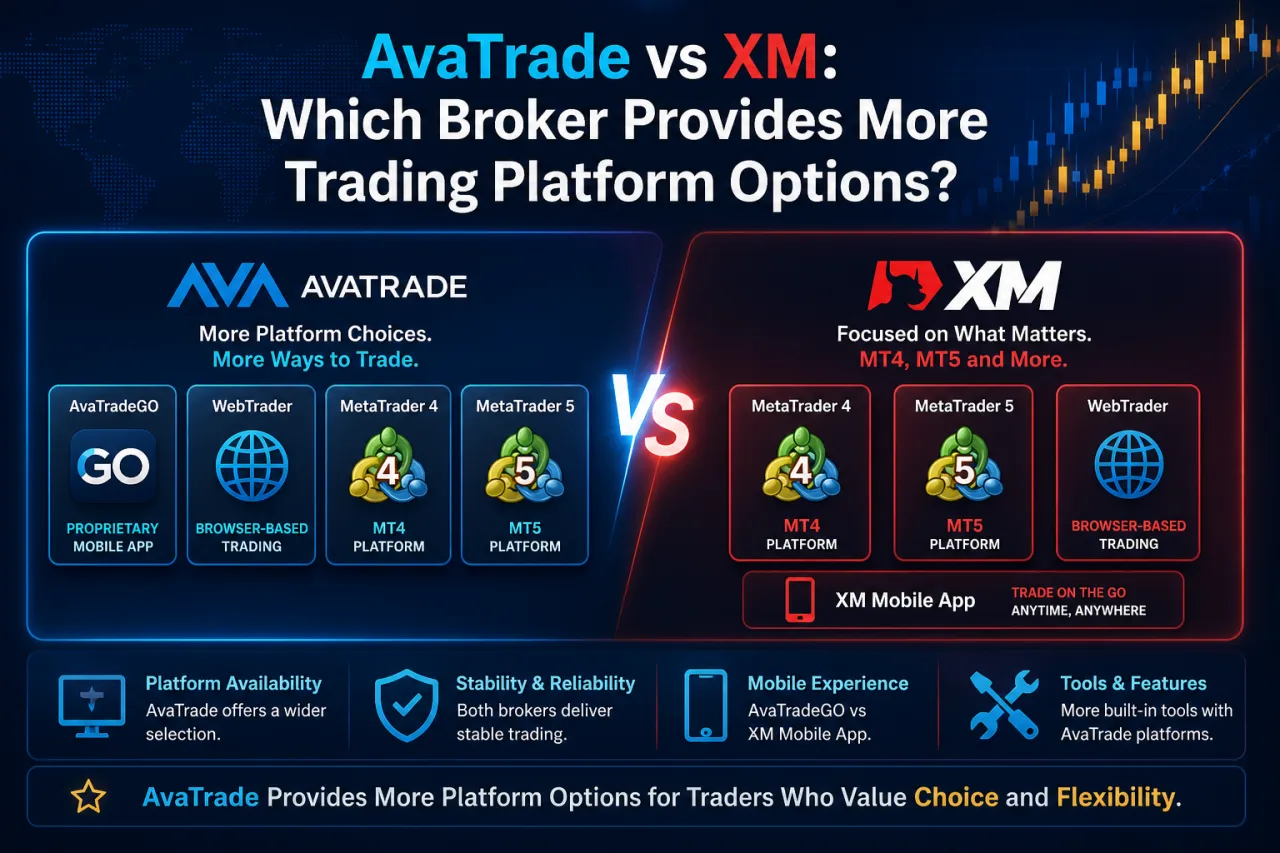
AvaTrade provides a broader proprietary platform lineup through AvaTradeGO and WebTrader alongside MT4 and MT5, while XM concentrates its offering on MT4 and MT5 plus a lighter WebTrader and mobile app. This platform gap matters directly for traders choosing between built-in tools and a leaner, familiar MetaTrader-only setup. The following sections compare platform availability, stability, mobile experience, and available tools between the two brokers in more detail.
Which Broker Is Better Suited for MT4/MT5 Users?
AvaTrade and XM both run MT4 and MT5 on comparable server infrastructure, but AvaTrade ties its MT4/MT5 accounts to fixed spreads while XM extends its low-spread commission account to MetaTrader users, giving XM a cost edge for algorithmic and EA-based strategies. This distinction affects execution speed, tool availability, and account choice for traders running the two platforms.
Both brokers support the same core MT4 and MT5 features, including custom indicators, Expert Advisors, and hedging, though the underlying account type determines pricing.
- AvaTrade links MT4 and MT5 to its fixed-spread, no-commission account structure.
- XM links MT4 and MT5 to both its zero-commission floating-spread account and its low-spread commission account.
- AvaTrade permits automated trading and EA deployment on MT4 and MT5 without restrictions specific to strategy type.
- XM permits similar EA and automated trading flexibility across its MT4 and MT5 account tiers.
Neither AvaTrade’s nor XM’s official broker documentation includes independently verified execution speed benchmarks for MT4/MT5 order processing, and no third-party review checked for this comparison provides such data either. Traders running EAs or high-frequency strategies find XM’s commission-based MT4/MT5 account more cost-competitive, while AvaTrade’s fixed-spread MT4/MT5 setup suits traders who prioritize pricing consistency over raw spread tightness.
Does AvaTrade or XM Offer Better Tools for Beginners and Copy Traders?
AvaTrade offers better tools for beginners and copy traders through its integrated AvaSocial, DupliTrade, and ZuluTrade platforms, while XM relies on third-party signal services and standard WebTrader access without a native copy trading system. This difference in proprietary platform usability shapes how easily newer traders access guided or automated strategies.
AvaTrade built copy trading directly into its ecosystem across three separate tools, each targeting a different user preference. AvaSocial functions as a social trading app that lets beginners follow and copy other traders’ positions directly from a mobile interface. DupliTrade connects MT4 accounts to a signal-provider marketplace for automated strategy replication. ZuluTrade offers a broader, broker-agnostic copy trading network with performance-ranked signal providers.
XM does not provide a comparable native copy trading platform. Beginners using XM depend on external signal services or manual setup through MT4 and MT5, which requires more technical familiarity than AvaTrade’s app-based copy trading tools. For traders prioritizing an easy, guided entry into copy trading, AvaTrade’s built-in options present a more accessible starting point than XM’s third-party reliant approach.
What Unique Account Types and Trading Instruments Set AvaTrade and XM Apart?
AvaTrade sets itself apart through AvaOptions for vanilla options trading and dedicated fixed-spread accounts, while XM differentiates through Shares and Ultra Low accounts alongside a structured micro-lot setup. These niche offerings extend beyond the core forex and CFD comparison and matter mainly to traders seeking specialized instruments or account structures not covered by standard spread and platform features.
How Do AvaTrade’s and XM’s Bonus and Loyalty Programs Differ?
AvaTrade restricts its welcome bonus availability by region and regulatory entity, while XM runs a loyalty program built around trading points redeemable for cash or rewards, giving XM a more structured ongoing incentive. This distinction in promotional structure affects which broker rewards long-term account activity versus one-off sign-up incentives.
AvaTrade’s deposit bonus, where offered, applies only under specific non-EU regulated entities since stricter regulators such as those in the EU and Australia prohibit forex bonus promotions for retail clients. AvaTrade’s welcome bonus eligibility depends on the trader’s country of residence and the regulated entity holding their account.
XM’s loyalty program awards points based on trading volume, which accumulate and convert into redeemable cash credited to the trading account. XM’s loyalty program factors in elements such as trading volume and account tier when determining point rewards.
Both programs exclude clients registered under heavily regulated entities where bonus and rebate promotions face restrictions.
Conclusion
The regulation, fees, and platform comparison points to two brokers built for different priorities rather than a single overall winner. AvaTrade stands out for its broader multi-continent licensing, fixed-spread cost predictability, and built-in copy trading tools through AvaSocial, DupliTrade, and ZuluTrade, making it a strong fit for beginners and traders who value stable pricing across regions.
XM stands out for its low-spread commission account, flexible MT4/MT5 pricing, and structured loyalty program, favoring scalpers and active traders chasing tighter raw spreads. Traders should choose AvaTrade for regulatory breadth and guided trading, or XM for cost efficiency on high-frequency strategies.
Michael Smith is a Forex Broker Comparison Specialist at Forex Bit, focusing on comparing brokers, trading platforms, account types, fees, spreads, commissions, and trading conditions. His work helps readers understand the key differences between providers so they can evaluate brokers based on their own trading needs and preferences.
Email: [email protected]

Best Brokers

Trade with the world’s largest retail broker and benefit from better - than - market conditions.

We offer a superior trading environment that puts traders in the best position to profit.

Trade with the best trading conditions. WIN THE BEST TRADING ACCOUNT AWARD.

Trade global markets with Interactive Brokers – a highly regulated multi-asset broker built for active and professional investors.






Forex Bit provides independent forex broker reviews, comparisons, guides, and industry news to help traders make informed decisions.
Best Brokers
Metatrader 5 Brokers
Metatrader 4 Brokers
Lowest Spread Forex Broker
Regulated Forex Brokers
Forex Copy Trading
Ctrader Brokers
Best Forex Broker For Beginners