
Michael Smith is a Forex Broker Comparison Specialist at Forex Bit, focusing on comparing brokers, trading platforms, account types, fees, spreads, commissions, and trading conditions. His work helps readers understand the key differences between providers so they can evaluate brokers based on their own trading needs and preferences. Email: [email protected]
Michael Smith
Michael Smith – Forex Broker Comparison Specialist
Michael Smith, born in 1992, is a Forex Broker Comparison Specialist at Forex Bit, where he researches, reviews, and edits content focused on comparing Forex and CFD brokers, trading platforms, account structures, pricing models, and trading conditions.
His work is centered on helping readers understand how brokers and trading services differ across practical criteria such as regulation, spreads, commissions, platforms, account types, execution models, minimum deposits, and payment methods. Rather than presenting one provider as the best choice for everyone, Michael focuses on making the differences between available options easier to understand.
Content edited by Michael Smith is provided for informational purposes only. He does not represent the brokers featured on Forex Bit, provide trading signals, or recommend that readers open an account or trade with any specific provider.
Michael Smith’s Role at Forex Bit

At Forex Bit, Michael Smith is responsible for researching and editing content published primarily within the Compare section.
His work involves reviewing broker information, identifying suitable comparison criteria, organizing the information consistently, and explaining the differences between brokers, platforms, account models, and trading structures.
The objective is not simply to decide which option “wins.” Instead, Michael’s role is to explain how the options differ, what conditions should be checked, and why those differences may be relevant to different traders.
Content Areas Managed by Michael Smith

Michael’s editorial responsibilities cover several types of Compare Forex Brokers content available on Forex Bit.
Broker vs Broker Comparisons
A major part of Michael’s work involves direct comparisons between Forex and CFD brokers.
These articles may compare areas such as:
- Regulation and legal entities
- Trading platforms
- Account types
- Spreads and commissions
- Minimum deposits
- Available instruments
- Leverage and margin conditions
- Deposit and withdrawal options
- Customer support
Examples of this format include comparisons between brokers such as Exness vs XM, IC Markets vs Pepperstone, AvaTrade vs XM, OANDA vs Forex.com, and FxPro vs XM.
Michael structures these comparisons around clearly defined criteria rather than relying only on brand reputation, rankings, or promotional claims.
Trading Platform Comparisons
Michael also covers comparisons between commonly used trading platforms.
Topics in this area include comparisons such as:
- MT4 vs MT5
- cTrader vs MT5
- MetaTrader vs TradingView
Platform comparisons may examine charting capabilities, order types, automated trading support, available markets, interface differences, mobile access, and broker compatibility.
The purpose is not to claim that one platform is universally better. Different platforms may suit different trading requirements, so Michael focuses on explaining the strengths, limitations, and practical differences between them.
Account and Pricing Model Comparisons
Another important part of Michael’s work involves comparing account structures and broker pricing models.
This includes topics such as:
- Raw Spread vs Standard Account
- Spread-based pricing
- Commission-based pricing
- Minimum deposit requirements
- Account-specific trading conditions
- Available platforms and instruments
A broker may advertise very low spreads while charging a separate trading commission. Another account may include wider spreads but no additional commission.
For this reason, Michael’s content looks beyond headline spread figures and examines how the overall pricing structure works.
Execution Model Comparisons
Michael also edits content explaining differences between broker execution models, including topics such as ECN vs STP.
These comparisons may consider:
- How orders are handled
- Spread structures
- Trading commissions
- Liquidity arrangements
- Execution characteristics
- Potential slippage
- Broker execution policies
Terms such as ECN or STP are not treated as automatic indicators that one broker provides better execution than another. Instead, Michael focuses on explaining what these models mean and which trading conditions users should verify.
Broker Fees and Trading Cost Comparisons
Trading costs are another core area of Michael’s comparison work.
Depending on the broker or account being reviewed, the analysis may cover:
- Spreads
- Trading commissions
- Overnight or swap charges
- Inactivity fees
- Deposit and withdrawal fees
- Other account-related charges
Michael aims to distinguish between individual cost components and the broader cost structure.
A lower advertised spread does not always mean a lower total trading cost, particularly when commissions or other fees apply.
Regulation and Trading Condition Comparisons
Michael also reviews differences in regulation and trading conditions between brokers.
A single broker brand may operate through several legal entities in different jurisdictions. As a result, users in different countries may receive different conditions regarding:
- Regulation
- Maximum leverage
- Available instruments
- Account types
- Client protections
- Promotions
- Payment methods
Michael’s content therefore distinguishes between the broker brand, the legal entity providing the service, and the regulatory authority supervising that entity whenever this distinction is relevant.
Research and Comparison Methodology

When preparing comparison content, Michael Smith prioritizes information from sources directly related to the broker, platform, or trading service being reviewed.
These sources may include:
- Official broker websites
- Account specification pages
- Trading platform documentation
- Fee schedules
- Product pages
- Legal documents
- Regulatory information
- Deposit and withdrawal policies
- Broker terms and conditions
One important principle is to compare like with like.
For example, a minimum spread should not be treated as equivalent to an average spread without explanation. Similarly, a Raw account should not be directly compared with a Standard account without considering the differences in commission and spread structures.
Editorial Principles

Content edited by Michael Smith follows several key principles:
- Use consistent criteria when comparing providers
- Explain differences rather than relying only on rankings
- Separate factual information from editorial observations
- Avoid presenting one broker as suitable for every trader
- Clearly identify spreads, commissions, and relevant fees
- Explain when conditions vary by jurisdiction
- Avoid claims of guaranteed profitability
- Encourage readers to verify current conditions before opening an account
The goal is to provide enough information for readers to make their own comparisons rather than directing them toward a predetermined choice.
Content Updates and Corrections
Broker conditions can change over time. A provider may revise its spreads, commissions, account types, platforms, leverage, available instruments, or regional services.
For this reason, content within Michael Smith’s area of responsibility is reviewed when significant changes are identified. When information becomes outdated or inaccurate, the relevant comparison should be checked against current sources and updated where necessary.
Independence Statement
Michael Smith is a Forex Broker Comparison Specialist at Forex Bit. He is not an employee, legal representative, account manager, or customer support representative of the brokers or platform providers discussed in his content.
Forex Bit is an independent informational website and may use affiliate links in certain articles. Forex Bit may receive compensation when users visit or register with a broker through these links. However, the website does not hold client funds, execute trades, manage trading accounts, or process deposits and withdrawals on behalf of brokers.
Content researched and edited by Michael Smith is intended to help readers understand and compare brokers, platforms, account models, fees, execution methods, and trading conditions using clearly defined criteria. All information is provided for reference purposes only and does not constitute investment advice, financial advice, or trading signals.
List of articles

Wondering how much a forex inactivity fee costs? See typical charges, trigger periods, and simple steps to avoid ...
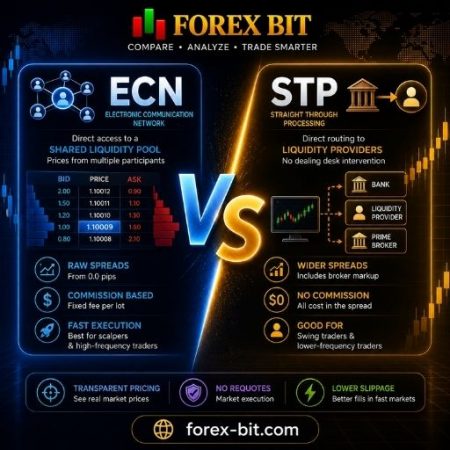
Confused about ECN vs STP? See how spreads, commissions & execution differ so you can pick the right ...
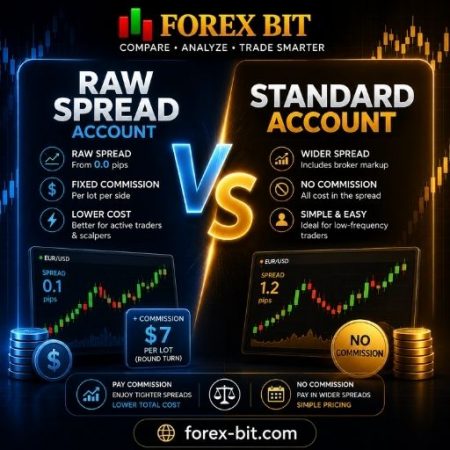
Confused about raw spread vs standard account costs? See how commissions and spread markups really compare so you ...
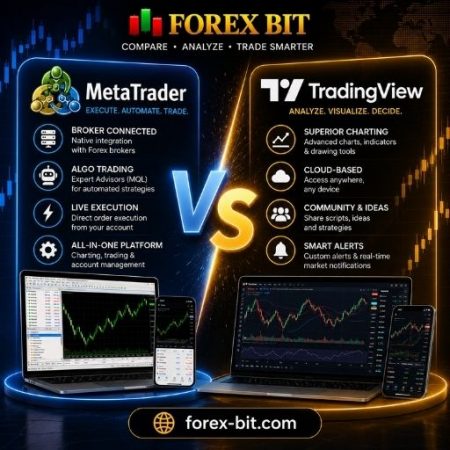
Compare MetaTrader vs TradingView on charting tools, broker integration & usability to find the right platform for your ...
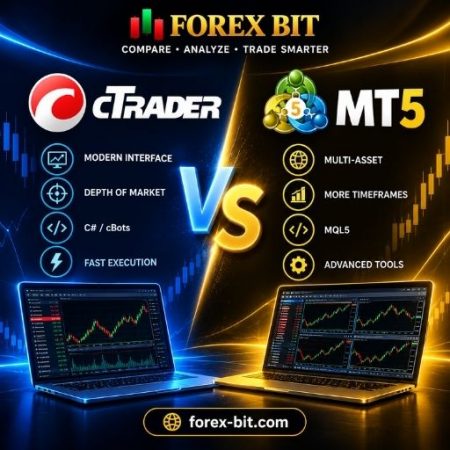
cTrader vs MT5: see which platform wins on interface design, order execution speed, and algo trading tools like ...

Comparing MT4 vs MT5? See how features, tools, and asset access differ to pick the right MetaTrader platform ...

Comparing Octa vs Exness? See which broker wins on spreads, current bonuses, and minimum deposit for 2026 before ...
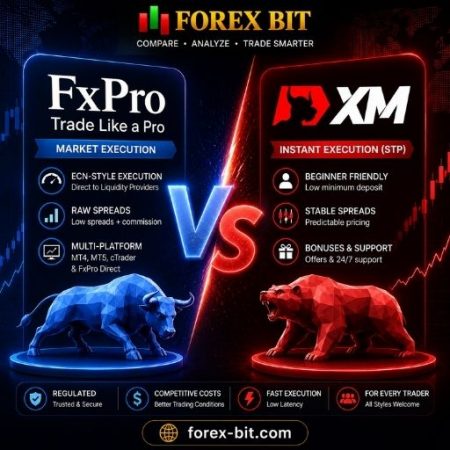
FxPro vs XM 2026: see how execution models, account types, spreads and leverage differ to find the broker ...

Comparing OANDA vs Forex.com? See how US regulation, spreads, and MT4/MT5 platforms stack up to find the right ...

AvaTrade vs XM compared on licenses, spreads, commissions & platform options—see which broker fits your trading style best ...
Best Brokers

Trade with the world’s largest retail broker and benefit from better - than - market conditions.

We offer a superior trading environment that puts traders in the best position to profit.

Trade with the best trading conditions. WIN THE BEST TRADING ACCOUNT AWARD.

Trade global markets with Interactive Brokers – a highly regulated multi-asset broker built for active and professional investors.






Forex Bit provides in-depth analysis of commodities, forex, and stock markets to help traders make informed investment decisions.
Best Brokers
Metatrader 5 Brokers
Metatrader 4 Brokers
Lowest Spread Forex Broker
Regulated Forex Brokers
Forex Copy Trading
Ctrader Brokers
Best Forex Broker For Beginners